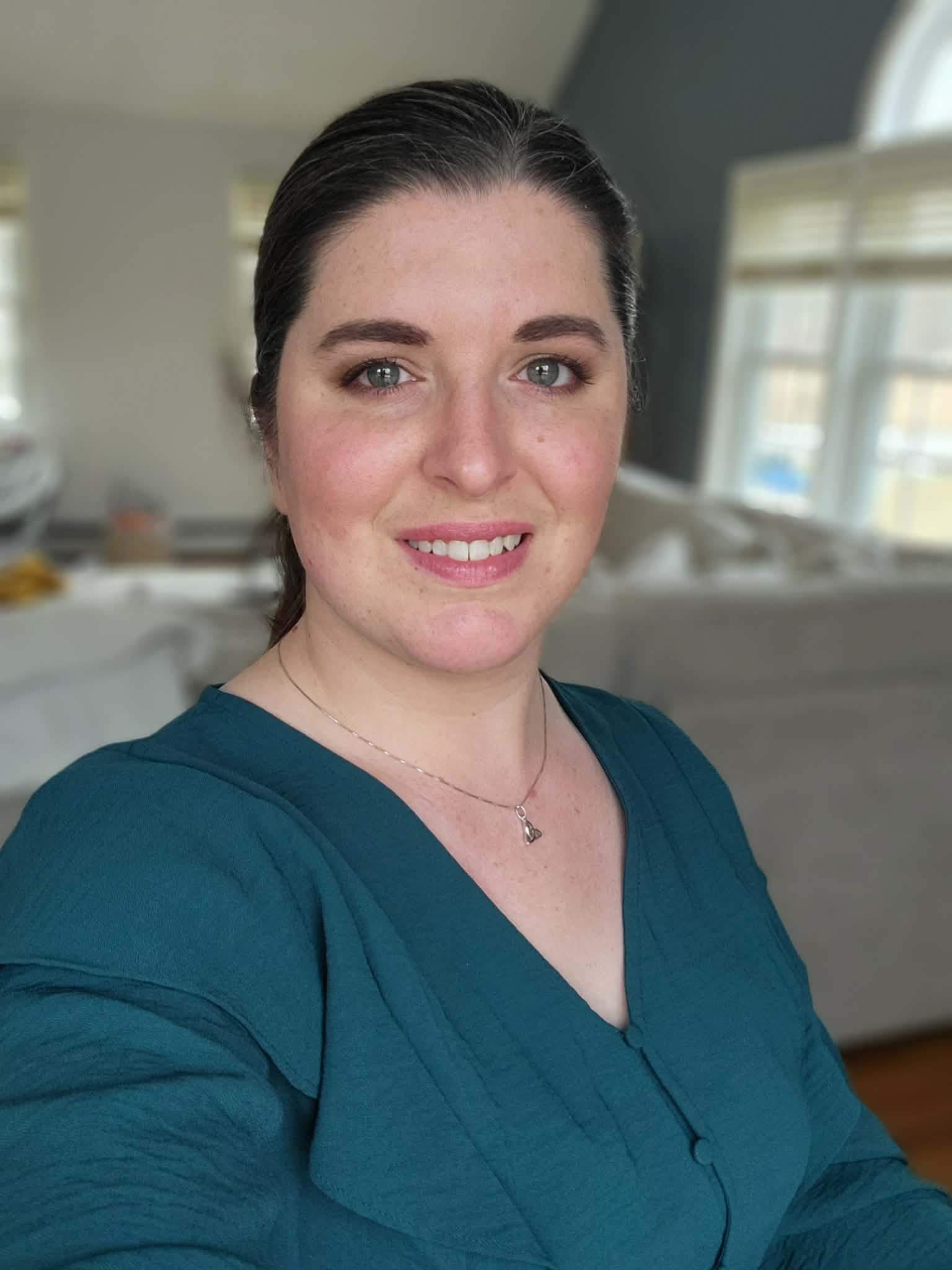
I've spent about ten years in other people's homes, caring for their children. That's long enough to learn what good care actually is, and it's quieter than people think. It isn't a résumé or a list of certifications. It's the small, daily stuff — knowing a child needs a few minutes of quiet before the questions start, letting a toddler get bored because that's where their imagination goes to work, knowing when to hold a line and when to just hold a child. Like the time one of my littles took off in the parking lot of a bookstore. I don't raise my voice. I did that day. When he cried because I scared him when I yelled "Stop!"? I held him. Sometimes you do both at once. Care like that is a fit between people. Between how a family lives and how a caregiver works, between what a home quietly values and what a person carries through the door.
For most of those ten years, I watched that fit get reduced to two questions: are you free, and what do you charge? That's how the big platforms work. You fill in a little about yourself, your schedule and your rate, you pay to be seen, and then you hope. Caregivers end up paying just to show up in a search. Families pay for leads that don't lead anywhere. I spent a long time in the gap between what those sites promise and what they actually give you, and I know I'm not the only one — anyone who's looked for care, or spent their days giving it, knows the feeling.
I believed there was a better way to do this long before I had any reason to build it. It's lived rent-free in my head for a couple of years now.
Then I lost my own placement. A values mismatch I couldn't bridge with the family. We saw the same moment differently. I saw a sleeping baby on a monitor, fresh air, and good judgment. They saw a caregiver who had stepped outside. Neither of us was wrong. We just didn't know each other well enough to trust each other's instincts yet. It wasn't anyone's fault, really. We just wanted different things, in a way no amount of trying could quite smooth over. And the part that stayed with me afterward was how knowable it had been. It was there from the beginning. Nothing about the way we'd found each other had ever thought to ask.
I was tired. I had a toddler of my own at home and not much of a plan. But a few days later I started building the thing I kept wishing had existed — for me, and for the families I'd worked with who'd been just as lost on their side of it.
That became Aldeara. It matches families and caregivers on the things that actually decide whether it lasts — values, the way you think about care, how a home is meant to feel — instead of just who's free and what it costs. The things that quietly matter get asked about early, before anyone's heart is already in it. Caregivers are never charged to be seen. Families only pay once they've found someone worth talking to.
I didn't come to this from the tech world. I came to it from inside the work, tired of watching good people miss each other in systems that were never really built to help them find their way.
If any of this sounds familiar — whichever side of it you're on — I made it for you.
— Rowan